
Diabetic patients often have decreased sensitivity in their feet, which makes a visual inspection of the feet even more important. If you're diabetic, having periodic screenings is extremely important for maintaining the overall health of your feet.
Diabetic patients often have decreased sensitivity in their feet, which makes a visual inspection of the feet even more important. If you're diabetic, having periodic screenings is extremely important for maintaining the overall health of your feet.

Achilles tendon pain affects the back of the ankle, where the tendon connects the heel bone to the calf muscles. This tendon plays an important role in walking, running, and jumping, which makes it vulnerable to overuse or injury. Achilles tendon pain may stem from a partial or complete tear, often caused by sudden stress during sports or exercise, or from tendinitis, which occurs when the tendon becomes inflamed. Symptoms of Achilles tendon pain include swelling near the heel, stiffness in the ankle, difficulty walking, or a sharp pain accompanied by a snapping sound at the time of injury. Risk factors include sudden changes in activity, having flat feet, footwear that lacks adequate support, or repetitive stress from running on uneven surfaces. A podiatrist can diagnose Achilles tendon pain through a physical examination and imaging tests in order to provide treatment options that range from supportive devices to surgery, if necessary. If you are suffering from pain related to your Achilles tendon, it is suggested that you schedule an appointment with a podiatrist for an exam, diagnosis, and treatment.
Achilles tendon injuries need immediate attention to avoid future complications. If you have any concerns, contact Jon McCreary, DPM of Fort Worth Podiatry. Our doctor can provide the care you need to keep you pain-free and on your feet.
What Is the Achilles Tendon?
The Achilles tendon is a tendon that connects the lower leg muscles and calf to the heel of the foot. It is the strongest tendon in the human body and is essential for making movement possible. Because this tendon is such an integral part of the body, any injuries to it can create immense difficulties and should immediately be presented to a doctor.
What Are the Symptoms of an Achilles Tendon Injury?
There are various types of injuries that can affect the Achilles tendon. The two most common injuries are Achilles tendinitis and ruptures of the tendon.
Achilles Tendinitis Symptoms
Rupture Symptoms
Treatment and Prevention
Achilles tendon injuries are diagnosed by a thorough physical evaluation, which can include an MRI. Treatment involves rest, physical therapy, and in some cases, surgery. However, various preventative measures can be taken to avoid these injuries, such as:
If you have any questions please feel free to contact our office located in Fort Worth, TX . We offer the newest diagnostic tools and technology to treat your foot and ankle needs.

The posterior tibial nerve that runs down your ankle to your foot is encased in the narrow tarsal tunnel along with tendons and blood vessels. When that nerve becomes compressed by an ankle sprain, arthritis, or overuse, it can become inflamed and painful, causing tarsal tunnel syndrome. Gentle exercises that gradually build strength and flexibility may help reduce swelling and pain. However, it is important to start off slowly, and pace yourself as you do not want to make the situation worse. Before attempting any exercise it is suggested that you consult with a podiatrist to determine if you have tarsal tunnel syndrome. In addition this foot doctor can also confirm which exercises are safe for you and suggest a treatment plan that is beneficial for reducing pain and swelling, while helping the ankle heal.
Tarsal tunnel syndrome can be very uncomfortable to live with. If you are experiencing tarsal tunnel syndrome, contact Jon McCreary, DPM of Fort Worth Podiatry. Our doctor can provide the care you need to keep you pain-free and on your feet.
Tarsal Tunnel Syndrome
Tarsal tunnel syndrome, which can also be called tibial nerve dysfunction, is an uncommon condition of misfiring peripheral nerves in the foot. The tibial nerve is the peripheral nerve in the leg responsible for sensation and movement of the foot and calf muscles. In tarsal tunnel syndrome, the tibial nerve is damaged, causing problems with movement and feeling in the foot of the affected leg.
Common Cause of Tarsal Tunnel Syndrome
The Effects of Tarsal Tunnel Syndrome
A physical exam of the leg can help identify the presence of tarsal tunnel syndrome. Medical tests, such as a nerve biopsy, are also used to diagnose the condition. Patients may receive physical therapy and prescriptive medication. In extreme cases, some may require surgery.
If you have any questions please contact our office located in Fort Worth, TX . We offer the newest diagnostic and treatment technologies for all your foot and ankle needs.

A bunion is a bony bump that forms at the base of the big toe when the joint becomes misaligned. It develops gradually as the big toe leans toward the second toe. Common causes include wearing tight or narrow shoes, inherited foot structure, or arthritis. A bunion often looks swollen and red and may cause pain or stiffness when walking. Risk factors include family history, flat feet, and prolonged pressure on the feet. A podiatrist can assess the severity, recommend supportive footwear, custom orthotics, or surgery, if needed. If you have a painful bump on your big toe, it is suggested that you consult a podiatrist who can provide effective relief tips, and help prevent further deformity.
If you are suffering from bunions, contact Jon McCreary, DPM of Fort Worth Podiatry. Our doctor can provide the care you need to keep you pain-free and on your feet.
What Is a Bunion?
A bunion is formed of swollen tissue or an enlargement of boney growth, usually located at the base joint of the toe that connects to the foot. The swelling occurs due to the bones in the big toe shifting inward, which impacts the other toes of the foot. This causes the area around the base of the big toe to become inflamed and painful.
Why Do Bunions Form?
Genetics – Susceptibility to bunions are often hereditary
Stress on the feet – Poorly fitted and uncomfortable footwear that places stress on feet, such as heels, can worsen existing bunions
How Are Bunions Diagnosed?
Podiatrists often perform two tests – blood tests and x-rays – when trying to diagnose bunions, especially in the early stages of development. Blood tests help determine if the foot pain is being caused by something else, such as arthritis, while x-rays provide a clear picture of your bone structure to your provider.
How Are Bunions Treated?
If you have any questions, please feel free to contact our office located in Fort Worth, TX . We offer the newest diagnostic and treatment technologies for all your foot care needs.
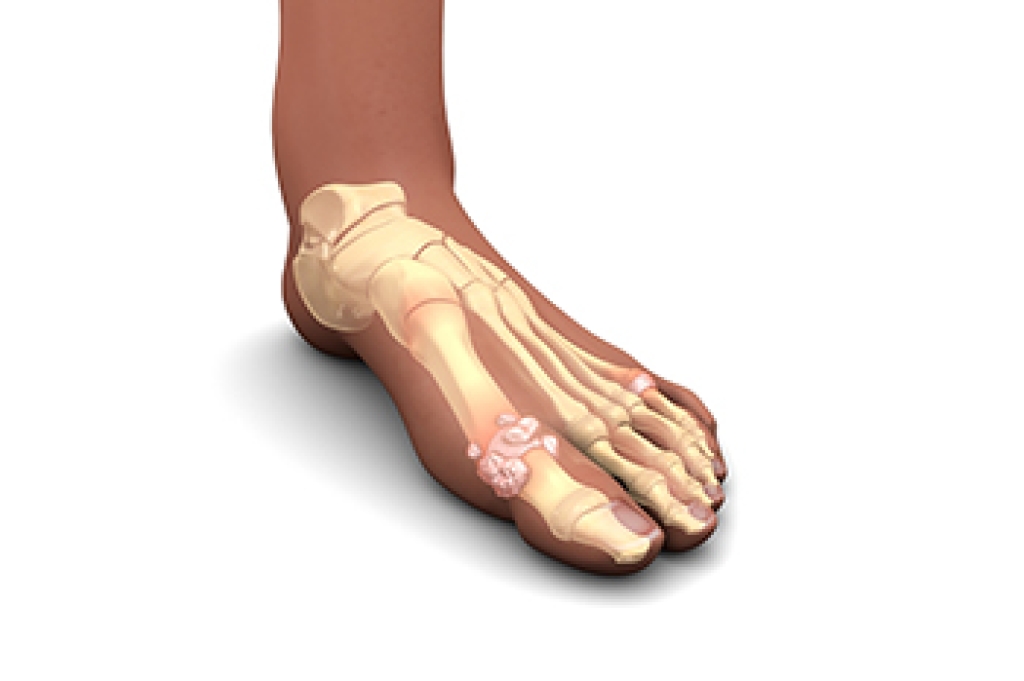
Gout is a form of arthritis caused by a buildup of uric acid crystals in the joints, most commonly affecting the big toe. It leads to sudden attacks of severe pain, redness, swelling, and tenderness. Causes include high levels of uric acid in the blood, often linked to diet and metabolism. Risk factors involve family history, obesity, kidney disease, and excessive alcohol intake. Foods to avoid include red meat, shellfish, organ meats, and sugary drinks, while foods that help include cherries, whole grains, vegetables, and low fat dairy. A podiatrist can help by diagnosing gout, managing flare ups, and offering guidance for prevention. If you have symptoms of gout, it is strongly suggested that you are under the care of a podiatrist who can help you to manage this painful condition.
Gout is a painful condition that can be treated. If you are seeking treatment, contact Jon McCreary, DPM from Fort Worth Podiatry. Our doctor will treat your foot and ankle needs.
What Is Gout?
Gout is a form of arthritis that is characterized by sudden, severe attacks of pain, redness, and tenderness in the joints. The condition usually affects the joint at the base of the big toe. A gout attack can occur at any random time, such as the middle of the night while you are asleep.
Symptoms
Risk Factors
Prior to visiting your podiatrist to receive treatment for gout, there are a few things you should do beforehand. If you have gout you should write down your symptoms--including when they started and how often you experience them, important medical information you may have, and any questions you may have. Writing down these three things will help your podiatrist in assessing your specific situation so that he or she may provide the best route of treatment for you.
If you have any questions, please feel free to contact our office located in Fort Worth, TX . We offer the newest diagnostic and treatment technologies for all your foot care needs.
Connect With Us
