Items filtered by date: February 2026
Ankle Fracture? Don’t Wait for Treatment

If you're suffering from an ankle fracture, professional attention shouldn't wait. Fractures may worsen over time and can make completing everyday activities incredibly difficult. See your specialist for treatment and guidance through the healing process.
Sesamoiditis Causes and Symptoms
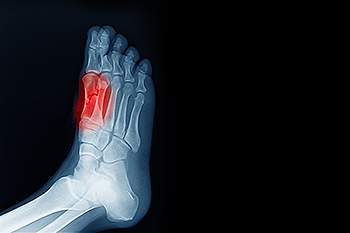
Sesamoiditis is a painful foot condition that affects the sesamoid bones, which are two small bones located beneath the base of the big toe. These bones help absorb pressure and assist with movement during walking and push off. When they become inflamed, pain can develop around the ball of the foot, especially under the base of the big toe. Common symptoms include aching or sharp pain while walking, standing, or bending the toe, along with swelling and tenderness in the area. Sesamoiditis is often caused by repetitive stress, high impact activities, or increased pressure on the forefoot. A podiatrist can diagnose the condition, recommend activity modification, provide protective padding or orthotics, and develop a treatment plan to reduce inflammation. If you have pain under your big toe, it is suggested you schedule a visit with a podiatrist who can accurately diagnose and treat what may be going on.
Sesamoiditis is an unpleasant foot condition characterized by pain in the balls of the feet. If you think you’re struggling with sesamoiditis, contact Jon McCreary, DPM of Fort Worth Podiatry. Our doctor will treat your condition thoroughly and effectively.
Sesamoiditis
Sesamoiditis is a condition of the foot that affects the ball of the foot. It is more common in younger people than it is in older people. It can also occur with people who have begun a new exercise program, since their bodies are adjusting to the new physical regimen. Pain may also be caused by the inflammation of tendons surrounding the bones. It is important to seek treatment in its early stages because if you ignore the pain, this condition can lead to more serious problems such as severe irritation and bone fractures.
Causes of Sesamoiditis
- Sudden increase in activity
- Increase in physically strenuous movement without a proper warm up or build up
- Foot structure: those who have smaller, bonier feet or those with a high arch may be more susceptible
Treatment for sesamoiditis is non-invasive and simple. Doctors may recommend a strict rest period where the patient forgoes most physical activity. This will help give the patient time to heal their feet through limited activity. For serious cases, it is best to speak with your doctor to determine a treatment option that will help your specific needs.
If you have any questions, please feel free to contact our office located in Fort Worth, TX . We offer the newest diagnostic and treatment technologies for all your foot care needs.
Causes of Sharp Pain in the Big Toe

Sharp pain in the big toe can result from several underlying conditions that affect joints, bones, and soft tissues. Gout is an inflammatory arthritis caused by uric acid buildup in the joint, leading to sudden and intense pain. Sesamoiditis is irritation of the two small bones beneath the big toe joint, often due to repetitive pressure or overuse. Turf toe is a sprain of the big toe joint caused by forced upward bending, commonly seen in active individuals. Additionally, toe lumps may form from joint changes, cysts, or soft tissue swelling and can create pressure and discomfort. A podiatrist can accurately diagnose the cause of pain in the big toe, provide targeted treatment, and help prevent further damage. If you have pain in this part of your foot, it is suggested that you consult a podiatrist who can accurately diagnose and treat what may be going on.
Toe pain can disrupt your daily activities. If you have any concerns, contact Jon McCreary, DPM of Fort Worth Podiatry. Our doctor can provide the care you need to keep you pain-free and on your feet.
What Causes Toe Pain?
Most severe toe pain is caused due to a sports injury, trauma from dropping something heavy on the toe, or bumping into something rigid. Other problems can develop over time for various reasons.
Toe pain can be caused by one or more ailments. The most common include:
- Trauma
- Sports injury
- Wearing shoes that are too tight
- Arthritis
- Gout
- Corns and calluses
- Hammertoe
- Bunions
- Blisters
- Ingrown toenails
- Sprains
- Fractures (broken bones)
- Dislocations
When to See a Podiatrist
- Severe pain
- Persistent pain that lasts more than a week
- Signs of infection
- Continued swelling
- Pain that prevents walking
Diagnosis
In many cases the cause of toe pain is obvious, but in others, a podiatrist may want to use more advanced methods to determine the problem. These can range from simple visual inspections and sensation tests to X-rays and MRI scans. Prior medical history, family medical history, and any recent physical traumatic events will all be taken into consideration for a proper diagnosis.
Treatment
Treatments for toe pain and injuries vary and may include shoe inserts, padding, taping, medicines, injections, and in some cases, surgery. If you believe that you have broken a toe, please see a podiatrist as soon as possible.
If you have any questions please contact our office located in Fort Worth, TX . We offer the newest diagnostic and treatment technologies for all your foot and ankle needs.
Bunions and Foot Joint Health

A bunion is a progressive foot deformity that develops when the joint at the base of the big toe shifts out of proper alignment, causing the toe to angle inward. Common causes include joint problems, poorly fitting shoes, and inherited foot structure influenced by genetics. Over time, uneven pressure on the joint leads to inflammation and structural changes. Symptoms often include a visible bump, redness, swelling, stiffness, and pain that worsens with walking or prolonged standing. As the condition progresses, normal movement of the foot may become limited. A podiatrist can evaluate joint alignment, identify contributing factors, and create a personalized treatment plan. Care may include footwear guidance, orthotics, padding, or advanced treatment options to relieve discomfort and slow progression. If you have the beginning signs of a bunion developing, it is suggested that you consult a podiatrist who can offer you effective management tips.
If you are suffering from bunions, contact Jon McCreary, DPM of Fort Worth Podiatry. Our doctor can provide the care you need to keep you pain-free and on your feet.
What Is a Bunion?
A bunion is formed of swollen tissue or an enlargement of boney growth, usually located at the base joint of the toe that connects to the foot. The swelling occurs due to the bones in the big toe shifting inward, which impacts the other toes of the foot. This causes the area around the base of the big toe to become inflamed and painful.
Why Do Bunions Form?
Genetics – Susceptibility to bunions are often hereditary
Stress on the feet – Poorly fitted and uncomfortable footwear that places stress on feet, such as heels, can worsen existing bunions
How Are Bunions Diagnosed?
Podiatrists often perform two tests – blood tests and x-rays – when trying to diagnose bunions, especially in the early stages of development. Blood tests help determine if the foot pain is being caused by something else, such as arthritis, while x-rays provide a clear picture of your bone structure to your provider.
How Are Bunions Treated?
- Refrain from wearing heels or similar shoes that cause discomfort
- Select wider shoes that can provide more comfort and reduce pain
- Anti-inflammatory and pain management drugs
- Orthotics or foot inserts
- Surgery
If you have any questions, please feel free to contact our office located in Fort Worth, TX . We offer the newest diagnostic and treatment technologies for all your foot care needs.
Causes of Cracked Heels in Women

Cracked heels are a condition where the skin surrounding the heel becomes dry, thick, and prone to splitting. In women, cracked heels often develop due to dehydration, excessive exposure to sunlight, and skin changes that affect moisture retention. Wearing improper footwear such as open back shoes or unsupportive sandals can increase pressure on the heel and worsen dryness. Excessive moisture from sweating or frequent water exposure may weaken the skin barrier, while walking barefoot on hard surfaces adds repeated stress. A podiatrist can evaluate the severity of cracked heels, safely remove hardened skin, recommend moisturizing treatments, and address footwear concerns. If cracked heels are causing pain, discomfort, or skin changes, it is suggested that you consult a podiatrist for professional treatment solutions, which may include prescribed medication.
Cracked heels are unsightly and can cause further damage to your shoes and feet. If you have any concerns, contact Jon McCreary, DPM from Fort Worth Podiatry. Our doctor can provide the care you need to keep you pain-free and on your feet.
Cracked Heels
Cracked heels appear unappealing and can make it harder for you walk around in sandals. Aside from looking unpleasant, cracked heels can also tear stockings, socks, and wear out your shoes. There are several methods to help restore a cracked heel and prevent further damage.
How Do You Get Them?
Dry skin is the number one culprit in creating cracked heels. Many athletes, walkers, joggers, and even swimmers suffer from cracked heels. Age and skin oil production play a role to getting cracked heels as well.
Promote Healing
Over the counter medicines can help, especially for those that need instant relief or who suffer from chronic dry feet.
Wear Socks – Wearing socks with medicated creams helps lock in moisture.
Moisturizers – Applying both day and night will help alleviate dryness which causes cracking.
Pumice Stones – These exfoliate and remove dead skin, which allows for smoother moisturizer application and better absorption into the skin.
Change in Diet
Eating healthy with a well-balanced diet will give the skin a fresh and radiant look. Your body responds to the kinds of food you ingest. Omega-3 fatty acids and zinc supplements can also revitalize skin tissue.
Most importantly, seek professional help if unsure how to proceed in treating cracked heels. A podiatrist will help you with any questions or information needed.
If you have any questions, please feel free to contact our office located in Fort Worth, TX . We offer the newest diagnostic and treatment technologies for all your foot care needs.
