
Are Bunions Affecting Your Everyday Life?


Have you noticed a bony protrusion on the side of your big toe? If so, you may have developed the foot condition known as a bunion. Don't let bunions interfere with your daily activities.
Poor Balance Can Increase Risk of Falls


As people age, changes in the feet, toes, and ankles can make it harder to stay steady, increasing the risk of falling. Balance depends on strong muscles, flexible joints, and healthy nerves that help the brain sense body position. When nerve damage, arthritis, fallen arches, or toe deformities occur, they may interfere with these functions. Loss of sensation in the feet, often linked to diabetic neuropathy, can make it difficult to detect changes in walking surfaces. Stiff joints or painful foot problems may limit the natural movement needed for stability. Even subtle foot issues can affect walking patterns and overall balance. A podiatrist can evaluate foot structure, nerve function, and joint health to identify causes of instability. Depending on the findings, treatment may include custom orthotics, supportive footwear, or surgery to correct deformities. If you notice a loss of balance or have fallen and injured your foot or ankle, it is suggested that you schedule an appointment with a podiatrist who can treat various foot conditions, and guide you on effective fall prevention tips.
Preventing falls among the elderly is very important. If you are older and have fallen or fear that you are prone to falling, consult with Jon McCreary, DPM from Fort Worth Podiatry. Our doctor will assess your condition and provide you with quality advice and care.
Every 11 seconds, an elderly American is being treated in an emergency room for a fall related injury. Falls are the leading cause of head and hip injuries for those 65 and older. Due to decreases in strength, balance, senses, and lack of awareness, elderly persons are very susceptible to falling. Thankfully, there are a number of things older persons can do to prevent falls.
How to Prevent Falls
Some effective methods that older persons can do to prevent falls include:
- Enrolling in strength and balance exercise program to increase balance and strength
- Periodically having your sight and hearing checked
- Discuss any medications you have with a doctor to see if it increases the risk of falling
- Clearing the house of falling hazards and installing devices like grab bars and railings
- Utilizing a walker or cane
- Wearing shoes that provide good support and cushioning
- Talking to family members about falling and increasing awareness
Falling can be a traumatic and embarrassing experience for elderly persons; this can make them less willing to leave the house, and less willing to talk to someone about their fears of falling. Doing such things, however, will increase the likelihood of tripping or losing one’s balance. Knowing the causes of falling and how to prevent them is the best way to mitigate the risk of serious injury.
If you have any questions, please feel free to contact our office located in Fort Worth, TX . We offer the newest diagnostic and treatment technologies for all your foot care needs.
Falls Prevention
Elderly Americans are very susceptible to falls as they get older. Everyone experiences decreases in flexibility, balance, strength, and the senses as they age. This correlates to some eye-opening statistics. 1 in 4 Americans aged 65 and older fall each year. An elderly American is being treated for a fall in an emergency room every 11 seconds. In light of these striking statistics, one can see the importance of taking steps to prevent falls.
Finding an exercise program for the elderly is an excellent way to reduce the likelihood of falls. Look for an exercise program that improves strength and balance. Elderly people who live a more sedentary lifestyle, with little physical activity, are at an increased risk of falling. Wearing well-fitted footwear that provides good foot support and cushion will help prevent falls from poorly fitted shoes. Talking to a podiatrist about your susceptibility to falls and about inspecting your prescriptions will help to avoid any medication that could make falls more likely. Due to a decline in the senses among the elderly, having your eyes and hearing checked is recommended.
Around half of all falls occur in the household. Removing tripping hazards in the home and making it more accommodating to older persons can significantly reduce falls. Some notable household changes include increasing lighting around the house, installing grab bars in the shower and bathroom, and making sure the floor is clear of clutter. Other smart options include installing a shower chair, using rubber-bottomed rugs, and placing railings on both sides of stairwells.
Finally, discuss with a doctor and your family about your fear of falling. This will help to increase awareness among the population on the need for fall prevention. A lack of awareness on the matter, and a downplaying of importance are what increase the risks of falling. Following these tips can help to reduce the risk for yourself and your loved ones.
Managing Foot Crush Injuries


Foot crush injuries are severe and often involve multiple fractures, soft tissue damage, and potential complications. These injuries typically occur when a heavy object falls on or rolls over the foot, often in traffic accidents or workplace incidents involving machinery. The midfoot, including the cuboid and cuneiform bones, may be fractured. There also can be damage to the heel pad or surrounding tissue. Symptoms include intense pain, swelling, bruising, and in some cases, numbness or loss of mobility. Because these injuries often affect the foot’s ability to bear weight, surgery may be needed to stabilize the bones, especially when the structural arch of the foot is damaged. Managing traumatic foot injuries requires a careful evaluation of bone alignment and tissue viability. A podiatrist can help by diagnosing the extent of injury, recommending surgery if needed, and guiding recovery to restore function and prevent complications. If you have experienced foot trauma, it is suggested that you make an immediate appointment with a podiatrist for a diagnosis and treatment options.
Foot and ankle trauma is common among athletes and the elderly. If you have concerns that you may have experienced trauma to the foot and ankle, consult with Jon McCreary, DPM from Fort Worth Podiatry. Our doctor will assess your condition and provide you with quality foot and ankle treatment.
Foot and ankle trauma cover a range of injuries all over the foot; common injuries include:
- Broken bones
- Muscle strains
- Injuries to the tendons and ligaments
- Stress fractures
Symptoms
Symptoms of foot and ankle injuries vary depending on the injury, but more common ones include:
- Bruising
- Inflammation/ Swelling
- Pain
Diagnosis
To properly diagnose the exact type of injury, podiatrists will conduct a number of different tests. Some of these include sensation and visual tests, X-rays, and MRIs. Medical and family histories will also be taken into account.
Treatment
Once the injury has been diagnosed, the podiatrist can than offer the best treatment options for you. In less severe cases, rest and keeping pressure off the foot may be all that’s necessary. Orthotics, such as a specially made shoes, or immobilization devices, like splints or casts, may be deemed necessary. Finally, if the injury is severe enough, surgery may be necessary.
If you have any questions, please feel free to contact our office located in Fort Worth, TX . We offer the newest diagnostic and treatment technologies for all your foot care needs.
Foot and Ankle Fractures
When the foot or ankle experiences trauma, a fracture may occur. Causes of foot and ankle fractures can vary; in some cases, an obvious impact to the foot or a fall can be behind a fracture. Alternatively, fractures can also occur because of increased stress on the bone over time. The location of the fracture can often give your podiatrist information on how the fracture occurred.
Pain, especially when bearing weight, is a telltale sign of a fracture. Limping due to this pain is a further sign of a foot or ankle fracture. Other symptoms include inflammation, bruising, deformity, and tenderness. A deformity may occur due to a shift in bone alignment or a joint dislocation near the fracture. While pain is a significant symptom of breakage, a patient who has nerve damage or who has diabetes may not feel this pain. In this instance, your podiatrist will look for additional signs to determine whether a fracture has occurred.
If you are experiencing severe pain, cannot walk without limping, have an open wound near the suspected break, or have numbness or tingling in the toes, you should see your podiatrist.
Foot Conditions Related to Diabetes
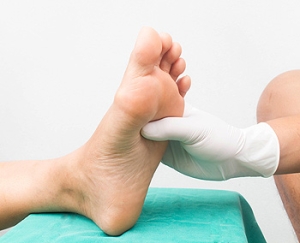

Diabetes can have a serious impact on your feet, often in ways that go unnoticed until complications arise. High blood sugar can damage nerves and blood vessels, leading to a condition called diabetic neuropathy. This may cause numbness, tingling, or burning sensations in the feet. Beyond the usual symptoms, some people may lose the ability to feel heat, cold, or pain, making them unaware of cuts, blisters, or injuries. Poor circulation can also slow healing, turning minor wounds into serious infections or ulcers. The skin may appear dry, cracked, or unusually shiny, and changes in foot shape or color may occur over time. A podiatrist plays a key role in diabetic foot care. They offer regular screenings, treat wounds early, and educate patients on daily foot inspections. This specialized care helps prevent complications. If you have diabetes, it is strongly suggested that you are under the care of a podiatrist who can help you to manage this serious condition.
Diabetic foot care is important in preventing foot ailments such as ulcers. If you are suffering from diabetes or have any other concerns about your feet, contact Jon McCreary, DPM from Fort Worth Podiatry. Our doctor can provide the care you need to keep you pain-free and on your feet.
Diabetic Foot Care
Diabetes affects millions of people every year. The condition can damage blood vessels in many parts of the body, especially the feet. Because of this, taking care of your feet is essential if you have diabetes, and having a podiatrist help monitor your foot health is highly recommended.
The Importance of Caring for Your Feet
- Routinely inspect your feet for bruises or sores.
- Wear socks that fit your feet comfortably.
- Wear comfortable shoes that provide adequate support.
Patients with diabetes should have their doctor monitor their blood levels, as blood sugar levels play such a huge role in diabetic care. Monitoring these levels on a regular basis is highly advised.
It is always best to inform your healthcare professional of any concerns you may have regarding your feet, especially for diabetic patients. Early treatment and routine foot examinations are keys to maintaining proper health, especially because severe complications can arise if proper treatment is not applied.
If you have any questions, please feel free to contact our office located in Fort Worth, TX . We offer the newest diagnostic and treatment technologies for all your foot care needs.
Diabetic Foot Care
Diabetes can cause two problems that can potentially affect the feet: Diabetic neuropathy and Peripheral Vascular Disease. Diabetic neuropathy occurs when nerves in your legs and feet become damaged, which prevents you from feeling heat, cold, or pain. The problem with diabetic neuropathy is that a cut or sore on the foot may go unnoticed and the cut may eventually become infected. This condition is also a main cause of foot ulcers. Additionally, Peripheral vascular disease also affects blood flow in the body. Poor blood flow will cause sores and cuts to take longer to heal. Infections that don’t heal do to poor blood flow can potentially cause ulcers or gangrene.
There are certain foot problems that are more commonly found in people with diabetes such as Athlete’s foot, calluses, corns, blisters, bunions, foot ulcers, ingrown toenails, and plantar warts. These conditions can lead to infection and serious complications such as amputation. Fortunately, proper foot care can help prevent these foot problems before they progress into more serious complications.
Each day you should wash your feet in warm water with a mild soap. When you finish washing your feet, dry them carefully especially between your toes. You should also perform daily foot inspections to ensure you don’t have any redness, blisters, or calluses. Furthermore, if you are diabetic, you should always wear closed-toed shoes or slippers to protect your feet. Practicing these tips will help ensure that your feet are kept healthy and away from infection.
If you have diabetes, contact your podiatrist if you have any of the following symptoms on your feet: changes in skin color, corns or calluses, open sores that are slow to heal, unusual and persistent odor, or changes in skin temperature. Your podiatrist will do a thorough examination of your feet to help treat these problematic conditions.
Causes of Swollen Feet and Ankles


Swollen feet and ankles can result from a variety of medical conditions that affect circulation and fluid balance. Common causes include heart failure, kidney problems, liver disease, pregnancy, and thyroid disorders. Swelling may come with heaviness, tightness, discomfort, or difficulty walking. It can develop gradually or suddenly, and may affect one or both feet. Chronic swelling in the feet should never be ignored, as it may signal a serious underlying issue. A podiatrist can evaluate your symptoms, identify contributing foot or vascular conditions, and recommend appropriate treatment. If you notice persistent swelling in your feet or ankles, it is suggested that you consult a podiatrist to uncover the cause and provide you with treatment options that are tailored to your needs.
Swollen feet can be a sign of an underlying condition. If you have any concerns, contact Jon McCreary, DPM of Fort Worth Podiatry. Our doctor can provide the care you need to keep you pain-free and on your feet.
Swollen feet are a common ailment among pregnant women and people who stand or sit for extended periods. Aging may increase the possibility of swollen feet and patients who are obese often notice when their feet are swelling too. There may be medical reasons why swollen feet occur:
- Phlebitis - A condition that causes the veins to become inflamed and can also cause leg pain.
- Liver disease - This may lead to low blood levels of albumin which is a protein. This can cause fluid in the blood to pass into the tissues and several areas of the body can become swollen.
- Heart failure - When the heart doesn’t pump properly the blood that is normally pumped back to the heart can pool in the veins of the legs causing swollen feet.
- Kidney disease - One of the main functions of the kidneys is releasing excess fluid in the body. This type of condition can make it difficult for the kidneys to function properly, and as a result the feet may become swollen.
- Deep-vein thrombosis (DVT)- This is a serious condition where blood clots form in the veins of the legs. They can block the return of blood from the legs to the heart which may cause the feet to swell. It is important to be treated by a podiatrist if this condition is present.
Swollen feet can also be caused by bone and tendon conditions, including fractures, arthritis, and tendinitis. Additionally, there may be skin and toenail conditions and an infection may cause the feet to swell. Patients who take medicine to treat high blood pressure may be prone to getting swollen feet.
Many patients elevate their feet to help relieve the swelling and this is generally a temporary remedy. When a podiatrist is consulted the reason behind the swelling can be uncovered and subsequently treated.
If you have any questions please contact our office located in Fort Worth, TX . We offer the newest diagnostic and treatment technologies for all your foot and ankle needs.
Swelling of the Feet
There are many reasons why patients experience swelling of the feet. It is rather common and may be a side effect of pregnancy or from sitting and standing for most of the day. Gravity could also play a role in the development of swollen feet. It is known that the weight of blood volume in our bodies is exerted on the veins in the legs and feet. The veins may not work as efficiently during the aging process, and this could make the blood flow backward causing swollen feet. Relief may be found when obese patients lose weight, and it may help to engage in compression therapy by wearing compression socks, stockings, or athletic sleeves. This method can release pressure on the feet and ankles which may help to reduce existing swelling. There are patients who have controlled their swollen feet by implementing healthy lifestyle changes. These can consist of reducing salt intake, incorporating a gentle exercise regime into the daily routine, and drinking plenty of fresh water. Swollen feet may be a temporary condition that affects people who travel via airplane or automobile, so it is beneficial to walk as frequently as possible even though it can be difficult. Swelling of the feet can also be indicative of other health issues so it is important to pay attention to any type of chest pain, mental confusion, dizziness, or fever. If you consistently have swollen feet, it is strongly suggested that you consult with a podiatrist who can help determine the cause and how to effectively treat it.
Common Foot Problems and What Causes Them


Many people experience foot problems that affect daily comfort and mobility. Athlete's foot is a fungal infection caused by moisture and poor hygiene, leading to itching and peeling skin. Bunions are bony bumps that form at the base of the big toe, often from wearing ill-fitting shoes or inherited foot structure. Corns develop from repeated pressure or friction and can become painful over time. Additionally, plantar fasciitis results from inflammation of the tissue along the bottom of the foot, often linked to overuse or poor arch support. A podiatrist can accurately diagnose these conditions, provide effective treatment, and offer guidance on prevention. If you have foot pain, it is strongly suggested that you promptly consult a podiatrist for a personalized treatment plan.
Foot Pain
Foot pain can be extremely painful and debilitating. If you have a foot pain, consult with Jon McCreary, DPM from Fort Worth Podiatry. Our doctor will assess your condition and provide you with quality foot and ankle treatment.
Causes
Foot pain is a very broad condition that could be caused by one or more ailments. The most common include:
- Bunions
- Hammertoes
- Plantar Fasciitis
- Bone Spurs
- Corns
- Tarsal Tunnel Syndrome
- Ingrown Toenails
- Arthritis (such as Gout, Rheumatoid, and Osteoarthritis)
- Flat Feet
- Injury (from stress fractures, broken toe, foot, ankle, Achilles tendon ruptures, and sprains)
- And more
Diagnosis
To figure out the cause of foot pain, podiatrists utilize several different methods. This can range from simple visual inspections and sensation tests to X-rays and MRI scans. Prior medical history, family medical history, and any recent physical traumatic events will all be taken into consideration for a proper diagnosis.
Treatment
Treatment depends upon the cause of the foot pain. Whether it is resting, staying off the foot, or having surgery; podiatrists have a number of treatment options available for foot pain.
If you have any questions, please feel free to contact our office located in Fort Worth, TX . We offer the newest diagnostic and treatment technologies for all your foot care needs.
