
What Is Gout?

Gout is a form of inflammatory arthritis caused by the buildup of uric acid crystals in the joints, often affecting the big toe. It typically appears suddenly, with symptoms such as intense pain, swelling, redness, and warmth in the affected area. Gout attacks can be triggered by certain foods, excessive alcohol, dehydration, or medications. While lifestyle changes, such as dietary adjustments and increased hydration, can help manage mild cases, recurrent or severe attacks may require medical intervention. If you experience debilitating pain or swelling in the big toe that does not improve on its own, it is important to see a podiatrist. This type of doctor may prescribe medications to lower uric acid levels or reduce inflammation, helping to prevent future flare-ups. If you have or suspect you have gout, it is suggested you schedule an appointment with a podiatrist for a comprehensive evaluation and effective treatment options tailored to your needs.

Gout is a foot condition that requires certain treatment and care. If you are seeking treatment, contact Jon McCreary, DPM from Fort Worth Podiatry. Our doctor will treat your foot and ankle needs.

What Is Gout?

Gout is a type of arthritis caused by a buildup of uric acid in the bloodstream. It often develops in the foot, especially the big toe area, although it can manifest in other parts of the body as well. Gout can make walking and standing very painful and is especially common in diabetics and the obese.

People typically get gout because of a poor diet. Genetic predisposition is also a factor. The children of parents who have had gout frequently have a chance of developing it themselves.

Gout can easily be identified by redness and inflammation of the big toe and the surrounding areas of the foot. Other symptoms include extreme fatigue, joint pain, and running high fevers. Sometimes corticosteroid drugs can be prescribed to treat gout, but the best way to combat this disease is to get more exercise and eat a better diet.

If you have any questions, please feel free to contact our office located in Fort Worth, TX . We offer the newest diagnostic and treatment technologies for all your foot care needs.

Read more about Everything You Need to Know About Gout

Wounds That Don't Heal Need to Be Checked

Your feet are covered most of the day. If you're diabetic, periodic screening is important for good health. Numbness is often a sign of diabetic foot and can mask a sore or wound.

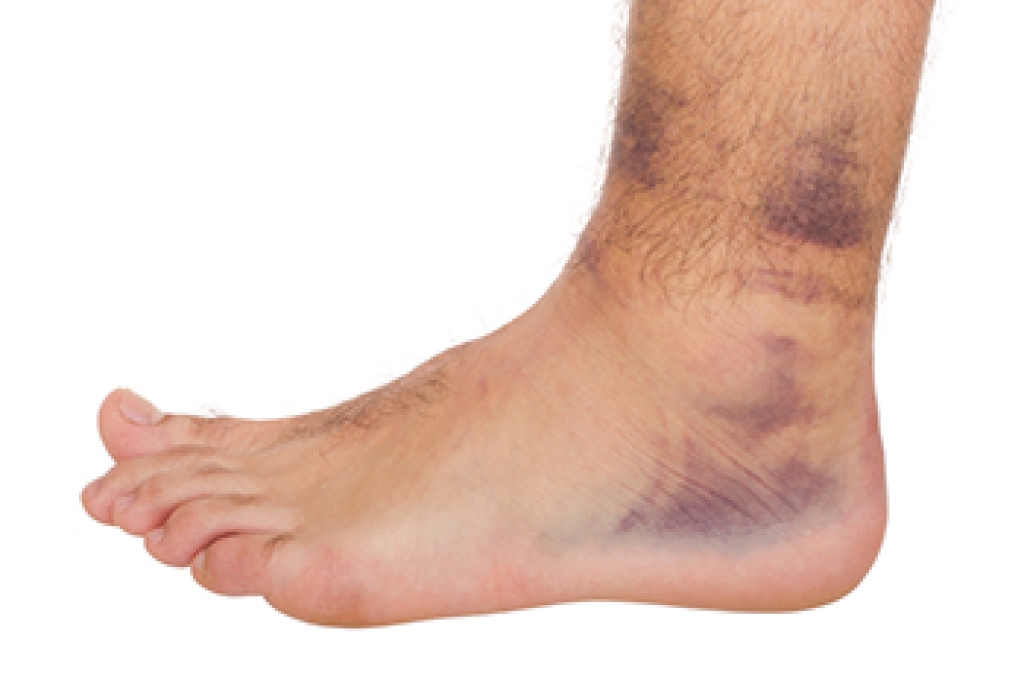
What Is a High Ankle Sprain?

A high ankle sprain, medically known as a syndesmotic sprain, occurs when the ligaments connecting the tibia and fibula are stretched or torn, typically from a twisting or rotational injury. This type of sprain is often more severe than traditional ankle sprains and can lead to prolonged recovery times. Common signs include swelling, pain above the ankle, difficulty bearing weight, and tenderness along the outside of the leg. Causes often involve sports activities that require sudden changes in direction or high-impact movements, such as football or basketball. To diagnose a high ankle sprain, a podiatrist will conduct a physical examination, assessing pain levels and range of motion. Imaging tests, such as X-rays or MRI scans may also be used to determine the extent of the injury and rule out fractures. If you have sprained your ankle, it is suggested that you consult a podiatrist who can determine what type of sprain it is, and effectively treat this condition.

Although ankle sprains are common, they aren’t always minor injuries. If you need your ankle injury looked at, contact Jon McCreary, DPM from Fort Worth Podiatry. Our doctor can provide the care you need to keep you pain-free and on your feet.

How Does an Ankle Sprain Occur?

Ankle sprains are the result of a tear in the ligaments within the ankle. These injuries may happen when you make a rapid shifting movement while your foot is planted. A less common way to sprain your ankle is when your ankle rolls inward while your foot turns outward.

What Are the Symptoms?

  • Pain at the sight of the tear
  • Bruising/Swelling
  • Ankle area is tender to touch
  • In severe cases, may hear/feel something tear
  • Skin discoloration

Preventing a Sprain

  • Wearing appropriate shoes for the occasion
  • Stretching before exercises and sports
  • Knowing your limits

Treatment of a Sprain

In many cases, the RICE method (Rest, Ice, Compression, and Elevate) is used to treat ankle sprains. However, you should see a podiatrist to see which treatment option would work best with your injury. In severe cases, surgery may be required.

It is important to ask your doctor about rehab options after you receive treatment for your injury. Stretching, strength training, and balance exercises may help the ankle heal while also preventing further injury.

If you have any questions, please feel free to contact our office located in Fort Worth, TX . We offer the newest diagnostic and treatment technologies for all your foot care needs.

Read more about Three Grades of Ankle Sprains

Is My Toe Broken?

A broken toe can cause significant discomfort and disrupt daily activities. Common symptoms include intense pain at the site of injury, swelling, bruising, and difficulty walking. The toe may appear deformed or misaligned, and there can be tenderness when touched. Various factors contribute to broken toes, with osteoporosis being a notable cause. This condition weakens bones, making them more susceptible to fractures. Stress fractures, which occur from repetitive impact or overuse, can also lead to breaks in the toe. Additionally, dropping a heavy object on the foot is a frequent cause of toe fractures. There are various treatment methods for a broken toe, depending on the severity of the fracture. If you have broken your toe, it is suggested that you consult a podiatrist who can treat it effectively.

Broken toes may cause a lot of pain and should be treated as soon as possible. If you have any concerns about your feet, contact Jon McCreary, DPM from Fort Worth Podiatry. Our doctor will treat your foot and ankle needs.

What Is a Broken Toe?

A broken toe occurs when one or more of the toe bones of the foot are broken after an injury. Injuries such as stubbing your toe or dropping a heavy object on it may cause a toe fracture.

Symptoms of a Broken Toe

  • Swelling
  • Pain (with/without wearing shoes)
  • Stiffness
  • Nail Injury

Although the injured toe should be monitored daily, it is especially important to have a podiatrist look at your toe if you have severe symptoms. Some of these symptoms include worsening or new pain that is not relieved with medication, sores, redness, or open wounds near the toe.

If you have any questions please feel free to contact our office located in Fort Worth, TX . We offer the newest diagnostic tools and technology to treat your foot and ankle needs.

Read more about What to Know About a Broken Toe

Causes and Risk Factors of Achilles Tendon Injuries

Achilles tendon injuries are relatively common, particularly among athletes and active individuals. The Achilles tendon, which connects the calf muscles to the heel bone, is prone to strains and tears due to its role in walking, running, and jumping. Common causes of injury include sudden increases in physical activity, such as jumping or sprinting, and inadequate warm-up exercises. Risk factors for Achilles tendon injuries include age, as the tendon weakens with time, and conditions like obesity, which places extra stress on the tendon. Individuals with poor flexibility or muscle imbalances are also at a higher risk. Wearing inappropriate footwear or having a history of previous tendon injuries can further increase susceptibility. An Achilles tendon injury can cause extreme pain and discomfort. If you have sustained this type of injury, it is suggested that you consult a podiatrist who can effectively treat this condition.

Achilles tendon injuries need immediate attention to avoid future complications. If you have any concerns, contact Jon McCreary, DPM of Fort Worth Podiatry. Our doctor can provide the care you need to keep you pain-free and on your feet.

What Is the Achilles Tendon?

The Achilles tendon is a tendon that connects the lower leg muscles and calf to the heel of the foot. It is the strongest tendon in the human body and is essential for making movement possible. Because this tendon is such an integral part of the body, any injuries to it can create immense difficulties and should immediately be presented to a doctor.

What Are the Symptoms of an Achilles Tendon Injury?

There are various types of injuries that can affect the Achilles tendon. The two most common injuries are Achilles tendinitis and ruptures of the tendon.

Achilles Tendinitis Symptoms

  • Inflammation
  • Dull to severe pain
  • Increased blood flow to the tendon
  • Thickening of the tendon

Rupture Symptoms

  • Extreme pain and swelling in the foot
  • Total immobility

Treatment and Prevention

Achilles tendon injuries are diagnosed by a thorough physical evaluation, which can include an MRI. Treatment involves rest, physical therapy, and in some cases, surgery. However, various preventative measures can be taken to avoid these injuries, such as:

  • Thorough stretching of the tendon before and after exercise
  • Strengthening exercises like calf raises, squats, leg curls, leg extensions, leg raises, lunges, and leg presses

If you have any questions please feel free to contact our office located in Fort Worth, TX . We offer the newest diagnostic tools and technology to treat your foot and ankle needs.

Read more about The Causes, Types, and Treatments of Achilles Tendon Injuries

Connect With Us

scroll-to-top