Differences Between Corns and Calluses

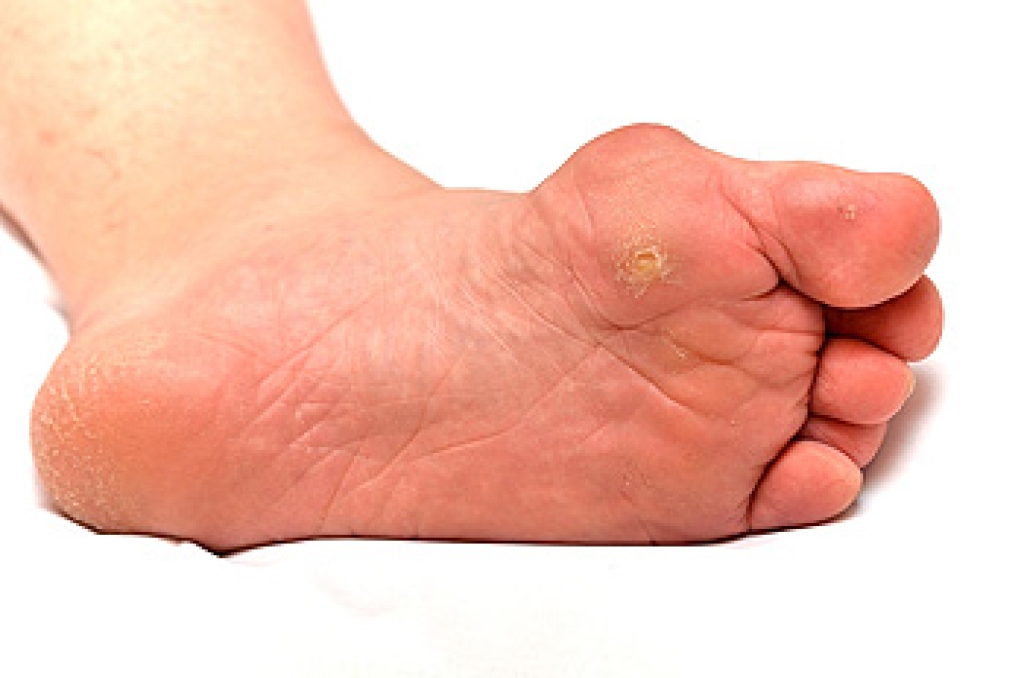
Corns are small areas of thickened skin that form in response to repeated pressure or friction. Unlike calluses, which tend to cover wider areas, corns usually have a firm center and a more defined shape. They commonly develop on the tops or sides of toes, between toes, or on weight-bearing parts of the foot. A corn can cause tenderness, burning pain, or discomfort when shoes press against it. Redness, warmth, or drainage can signal an infection and should receive prompt medical attention. Corns can be especially concerning for patients with diabetes, poor circulation, or reduced feeling in their feet.

Wearing shoes that are too tight can rub against the toes and create concentrated pressure. High heels may force the toes forward, while loose shoes can let the feet slide and rub. Foot structure can raise the risk of a corn or callus. Bunions, hammertoes, and prominent joints may press against the inside of a shoe. Changes in the way a person walks can place added pressure on one part of the foot. Cutting or scraping a corn without professional guidance is not recommended. It can injure healthy skin and increase the risk of infection.

A podiatrist can examine the affected area and determine whether the growth is a corn or callus. The evaluation includes checking foot shape, shoe fit, and walking patterns. Treatment can involve carefully reducing the thickened skin to relieve pressure. A podiatrist can also provide protective padding or custom orthotics to improve how pressure is distributed across the foot. In some cases, treatment for an underlying bunion or hammertoe can reduce repeated pressure. Regular monitoring is particularly important for patients who have diabetes or circulation problems. If you have developed a painful corn on your foot, it is suggested that you schedule an appointment with a podiatrist for effective relief, treatment, and prevention tips.

Corns can make walking very painful and should be treated immediately. If you have questions regarding your feet and ankles, contact Jon McCreary, DPM of Fort Worth Podiatry. Our doctor will treat your foot and ankle needs.

Corns: What Are They? And How Do You Get Rid of Them?
Corns are thickened areas on the skin that can become painful. They are caused by excessive pressure and friction on the skin. Corns press into the deeper layers of the skin and are usually round in shape.

Ways to Prevent Corns
There are many ways to get rid of painful corns such as:

  • Wearing properly fitting shoes that have been measured by a professional
  • Wearing shoes that are not sharply pointed or have high heels
  • Wearing only shoes that offer support

Treating Corns

Although most corns slowly disappear when the friction or pressure stops, this isn’t always the case. Consult with your podiatrist to determine the best treatment option for your case of corns.

If you have any questions, please feel free to contact our office located in Fort Worth, TX . We offer the newest diagnostic and treatment technologies for all your foot care needs.

Read more about Understanding Corns and Calluses

Understanding Broken Foot Injuries

A broken foot occurs when one or more bones in the foot are fractured. This type of injury can happen after a fall, sports injury, or sudden impact. Some fractures occur without the bone breaking through the skin, while an open fracture happens when the broken bone pushes through the skin. Pain, swelling, and difficulty putting weight on the foot can occur after an injury. Some patients also notice tenderness or changes in how the foot looks. The location and type of fracture help determine how serious the injury is and what treatment the foot requires.

A podiatrist can examine the injured foot and determine the location and type of fracture. Imaging can help provide a clearer view of the broken bone and guide treatment. Depending on the injury, treatment can include a splint, cast, or protective shoe. Some fractures require surgery to place the bones in the correct position and support proper healing. A podiatrist can also monitor the foot during follow-up visits and check for changes in pain, swelling, or sensation. A fracture can take several weeks to heal, so professional follow-up is an important part of care.

Certain symptoms after a foot injury require prompt attention. New or worsening pain, a foot that becomes pale or cool, or numbness and tingling in the toes can signal a problem that needs evaluation. A cast or splint that feels too tight also requires attention. A podiatrist can assess these concerns and determine whether the foot is healing as expected. Professional care can also help identify problems that could affect the foot’s function or ability to bear weight. Getting the injury evaluated can provide a clearer understanding of the fracture and the treatment needed for recovery. If you have broken your foot, it is suggested that you schedule an appointment with a podiatrist for a diagnosis and appropriate treatment.

A broken foot requires immediate medical attention and treatment. If you need your feet checked, contact Jon McCreary, DPM from Fort Worth Podiatry. Our doctor can provide the care you need to keep you pain-free and on your feet.

Broken Foot Causes, Symptoms, and Treatment

A broken foot is caused by one of the bones in the foot typically breaking when bended, crushed, or stretched beyond its natural capabilities. Usually the location of the fracture indicates how the break occurred, whether it was through an object, fall, or any other type of injury. 

Common Symptoms of Broken Feet:

  • Bruising
  • Pain
  • Redness
  • Swelling
  • Blue in color
  • Numbness
  • Cold
  • Misshapen
  • Cuts
  • Deformities

Those that suspect they have a broken foot shoot seek urgent medical attention where a medical professional could diagnose the severity.

Treatment for broken bones varies depending on the cause, severity and location. Some will require the use of splints, casts or crutches while others could even involve surgery to repair the broken bones. Personal care includes the use of ice and keeping the foot stabilized and elevated.

If you have any questions, please feel free to contact our office located in Fort Worth, TX . We offer the newest diagnostic and treatment technologies for all your foot care needs.

Read more about Causes, Symptoms, and Treatment for a Broken Foot

How Pronation and Supination Can Affect Foot Health

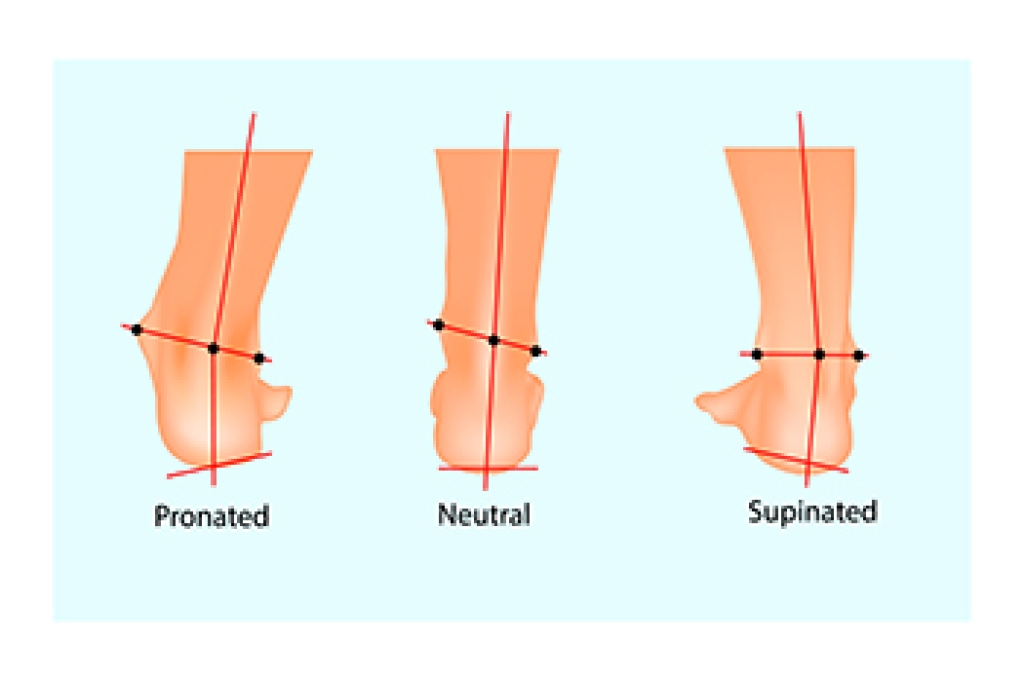
Pronation and supination describe the direction the foot rolls while walking or running. Pronation occurs when the foot rolls inward and weight shifts toward the inside of the foot. Supination occurs when the foot rolls outward and weight shifts toward the outside. A small amount of each motion is part of a normal step. Pronation helps the foot absorb shock after the heel reaches the ground. Supination makes the foot firmer as it pushes the body forward. When either motion becomes excessive, pressure can build in certain areas and affect the way a person moves.

These movement patterns can affect more than the feet. Overpronation can place added strain on the arches, heels, and ankles. It can also contribute to discomfort in the knees. Excess supination reduces the foot’s ability to absorb shock and can increase pressure on the outer edge. This can lead to ankle instability, heel pain, or pain in the ball of the foot. Uneven wear on the inner or outer edges of shoe soles can provide a clue. High arches, flat feet, and differences in leg length can influence foot movement. Injuries and repeated stress can also change a person’s gait.

A podiatrist can examine the feet and study how a patient stands and walks. This gait evaluation shows where pressure builds and whether the ankles or knees move out of alignment. The podiatrist can also check joint motion, muscle strength, and shoe-wear patterns. Imaging tests can identify an injury when the examination raises concern. Treatment focuses on improving balance and reducing harmful pressure. A podiatrist can recommend properly fitted shoes with suitable cushioning or stability. Custom orthotics can guide the feet into a better position and distribute weight more evenly. Follow-up visits allow the podiatrist to track changes and adjust treatment. If you have foot or ankle pain while walking or running, it is suggested that you schedule an appointment with a podiatrist for a diagnosis and appropriate treatment.

If you have any concerns about your feet, contact Jon McCreary, DPM from Fort Worth Podiatry. Our doctor can provide the care you need to keep you pain-free and on your feet.

Biomechanics in Podiatry

Podiatric biomechanics is a particular sector of specialty podiatry with licensed practitioners who are trained to diagnose and treat conditions affecting the foot, ankle and lower leg. Biomechanics deals with the forces that act against the body, causing an interference with the biological structures. It focuses on the movement of the ankle, the foot and the forces that interact with them.

A History of Biomechanics

  • Biomechanics dates back to the BC era in Egypt where evidence of professional foot care has been recorded.
  • In 1974, biomechanics gained a higher profile from the studies of Merton Root, who claimed that by changing or controlling the forces between the ankle and the foot, corrections or conditions could be implemented to gain strength and coordination in the area.

Modern technological improvements are based on past theories and therapeutic processes that provide a better understanding of podiatric concepts for biomechanics. Computers can provide accurate information about the forces and patterns of the feet and lower legs.

Understanding biomechanics of the feet can help improve and eliminate pain, stopping further stress to the foot.

If you have any questions please feel free to contact our office located in Fort Worth, TX . We offer the newest diagnostic and treatment technologies for all your foot and ankle needs.

Read more about The Importance of Biomechanics in Podiatry

How a Podiatrist Treats a Painful Ingrown Toenail

An ingrown toenail develops when the side of a nail presses into the skin. The affected toe can become painful, red, and swollen. Drainage can signal a more serious problem. Wearing tight shoes, curved nails, and improper trimming can increase pressure along the nail edge. A podiatrist examines the toe to determine how deeply the nail has entered the skin. The exam includes checking for infection and concerns that could affect healing. Patients with diabetes, poor blood flow, or reduced feeling should seek prompt professional care because small toe problems can become serious.

Treatment depends on pain, swelling, and skin damage. For a mild ingrown nail, a podiatrist can lift the nail edge away from the irritated skin. A splint or brace can hold the edge properly while the nail grows forward. The podiatrist can also trim the nail correctly and reduce thick areas that press against the toe. When infection is present, the foot doctor evaluates its severity and provides treatment. Professional care protects the skin, eases pressure, and lowers the risk of the problem becoming worse. The podiatrist can explain which shoe shapes provide enough room for the toes.

A painful or repeated ingrown toenail can require a minor procedure. After numbing the toe, the podiatrist removes the narrow section of nail that is cutting into the skin. In recurring cases, the nail root beneath that section is treated so the troublesome edge does not grow back. Removal of the nail is less common and is reserved for severe problems. Prevention includes trimming nails straight across, avoiding torn nail corners, and choosing properly fitting shoes. Regular podiatric checks are helpful for patients who have circulation problems or a reduced feeling in their feet. If you have an ingrown toenail, it is suggested that you schedule an appointment with a podiatrist for a diagnosis and appropriate treatment.

Toe pain can disrupt your daily activities. If you have any concerns, contact Jon McCreary, DPM of Fort Worth Podiatry. Our doctor can provide the care you need to keep you pain-free and on your feet.

What Causes Toe Pain?

Most severe toe pain is caused due to a sports injury, trauma from dropping something heavy on the toe, or bumping into something rigid. Other problems can develop over time for various reasons.

Toe pain can be caused by one or more ailments. The most common include:

  • Trauma
  • Sports injury
  • Wearing shoes that are too tight
  • Arthritis
  • Gout
  • Corns and calluses
  • Hammertoe
  • Bunions
  • Blisters
  • Ingrown toenails
  • Sprains
  • Fractures (broken bones)
  • Dislocations

When to See a Podiatrist

  • Severe pain
  • Persistent pain that lasts more than a week
  • Signs of infection
  • Continued swelling
  • Pain that prevents walking

Diagnosis

In many cases the cause of toe pain is obvious, but in others, a podiatrist may want to use more advanced methods to determine the problem. These can range from simple visual inspections and sensation tests to X-rays and MRI scans. Prior medical history, family medical history, and any recent physical traumatic events will all be taken into consideration for a proper diagnosis.

Treatment

Treatments for toe pain and injuries vary and may include shoe inserts, padding, taping, medicines, injections, and in some cases, surgery. If you believe that you have broken a toe, please see a podiatrist as soon as possible.

If you have any questions please contact our office located in Fort Worth, TX . We offer the newest diagnostic and treatment technologies for all your foot and ankle needs.

Read more about Toe Pain

Connect With Us

scroll-to-top