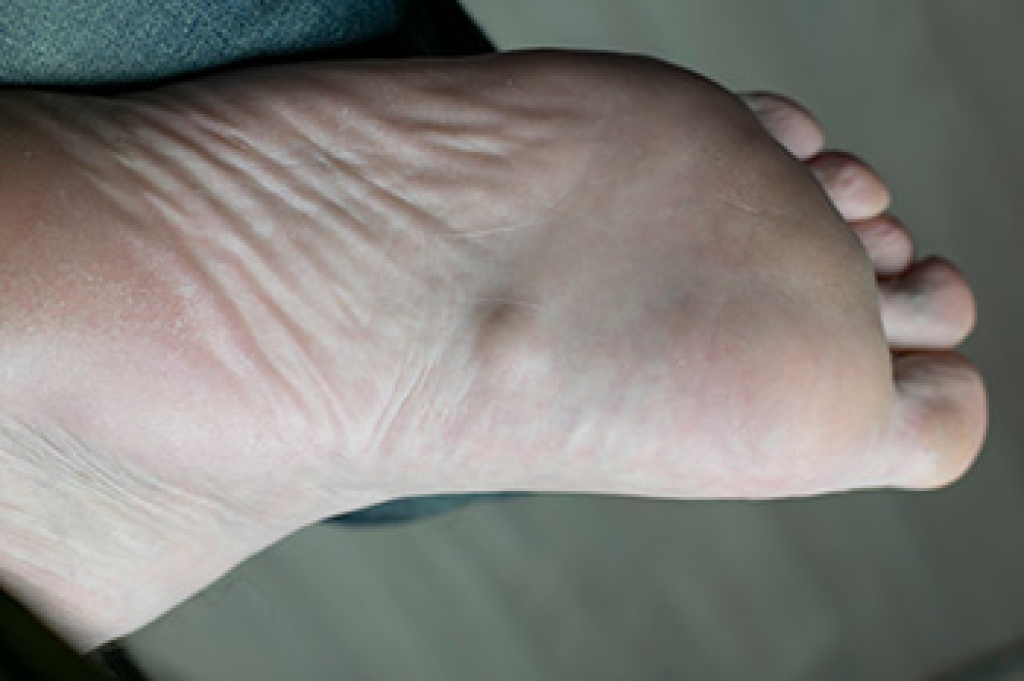
Heel Pain in the Morning?

Heel pain can negatively affect your day-to-day life. Simple activities like walking can become incredibly uncomfortable or painful due to heel pain.

Don’t live with heel pain and get treated.

Early Podiatry Care for Congenital Foot Problems

Congenital foot problems are present at birth and can affect the shape, position, or function of a child's feet. One of the most common congenital foot conditions is clubfoot, which causes the foot to twist inward and downward instead of developing in its usual position. Clubfoot may affect one foot or both feet. Although it is painless in newborns, it can lead to difficulty standing and walking if left untreated. Other congenital foot problems may involve differences in the toes or the overall structure of the foot. Because these conditions vary in severity, an early evaluation is important to determine the most appropriate treatment and support healthy foot development.


The exact cause of clubfoot is not always known, although genetic and developmental factors may play a role. Clubfoot develops before birth and is not caused by anything a parent did during pregnancy. As a child grows, an untreated foot deformity can affect balance, walking, and overall mobility. It may also place extra stress on the ankles, knees, and hips as the body tries to compensate for abnormal foot position. A thorough examination helps determine the type and severity of the condition. Early diagnosis allows healthcare providers to begin treatment at the most appropriate time and monitor progress as the child develops.


A podiatrist plays an important role in evaluating congenital foot problems and working with families throughout treatment. Care is based on the child's age, the severity of the condition, and overall foot development. A podiatrist also monitors foot growth, evaluates walking patterns, and helps identify any changes that require additional care. Regular follow-up visits can support healthy development and improve long-term function. If your child has signs of clubfoot or another congenital foot problem, it is suggested that you consult a podiatrist for an evaluation and appropriate treatment options.

Congenital foot problems require immediate attention to avoid future complications. If you have any concerns, contact Jon McCreary, DPM of Fort Worth Podiatry. Our doctor can provide the care you need to keep you pain-free and on your feet.

Congenital foot problems are deformities affecting the feet, toes, and/or ankles that children are born with. Some of these conditions have a genetic cause while others just happen. Some specific foot ailments that children may be born with include clubfeet, polydactyly/macrodactyly, and cleft foot. There are several other foot anomalies that can occur congenitally. What all of these conditions have in common is that a child may experience difficulty walking or performing everyday activities, as well as trouble finding footwear that fits their foot deformity. Some of these conditions are more serious than others. Consulting with a podiatrist as early as possible will help in properly diagnosing a child’s foot condition while getting the necessary treatment underway.

What are Causes of Congenital Foot Problem?

A congenital foot problem is one that happens to a child at birth. These conditions can be caused by a genetic predisposition, developmental or positional abnormalities during gestation, or with no known cause.

What are Symptoms of Congenital Foot Problems?

Symptoms vary by the congenital condition. Symptoms may consist of the following:

  • Clubfoot, where tendons are shortened, bones are shaped differently, and the Achilles tendon is tight, causing the foot to point in and down. It is also possible for the soles of the feet to face each other.
  • Polydactyly, which usually consists of a nubbin or small lump of tissue without a bone, a toe that is partially formed but has no joints, or an extra toe.
  • Vertical talus, where the talus bone forms in the wrong position causing other bones in the foot to line up improperly, the front of the foot to point up, and the bottom of the foot to stiffen, with no arch, and to curve out.
  • Tarsal coalition, when there is an abnormal connection of two or more bones in the foot leading to severe, rigid flatfoot.
  • Cleft foot, where there are missing toes, a V-shaped cleft, and other anatomical differences.
  • Macrodactyly, when the toes are abnormally large due to overgrowth of the underlying bone or soft tissue.

Treatment and Prevention

While there is nothing one can do to prevent congenital foot problems, raising awareness and receiving neonatal screenings are important. Early detection by taking your child to a podiatrist leads to the best outcome possible.

If you have any questions, please feel free to contact our office located in Fort Worth, TX . We offer the newest diagnostic and treatment technologies for all your foot care needs.


Read more about Congenital Foot Problems

Foot Mobility and Strength Training

Foot mobility refers to the ability of the feet to move freely and efficiently through a full range of motion. The feet serve as the foundation of the body, supporting weight distribution, absorbing shock, and assisting with movement. Proper mobility allows the muscles and joints in the feet to function in coordination during daily activities. When mobility is limited, it can affect posture, balance, and overall alignment. Understanding the role of foot function is essential for maintaining stability and reducing strain throughout the body.

During walking, the feet move through a structured gait cycle that includes the stance phase and the swing phase. The stance phase occurs when the foot is in contact with the ground and is responsible for weight bearing and shock absorption. The swing phase follows as the foot lifts and moves forward to prepare for the next step. Efficient muscle activation during these phases ensures smooth movement and proper force distribution. When foot mobility is reduced, this cycle becomes less efficient, increasing stress on the ankles, knees, and hips.


Common symptoms of poor foot mobility include stiffness, discomfort, and reduced flexibility. Individuals may notice instability when walking or standing, along with a decrease in balance. Risk factors include improper footwear, lack of strengthening exercises, and repetitive stress from daily activities. Strengthening the feet can improve muscle activation and restore natural movement patterns.


Simple foot exercises can help improve foot mobility and strength. Toe curls are performed by gripping the floor with the toes and holding briefly before releasing. Toe raises involve lifting the toes upward while keeping the heel and ball of the foot grounded. Toe spreading focuses on widening the toes apart to improve control and flexibility. Performing these exercises regularly can support proper function and reduce strain. If you have foot pain, it is suggested that you consult a podiatrist for an accurate diagnosis, appropriate treatment, and guidance on additional foot stretches and exercises.

Exercising your feet regularly with the proper foot wear is a great way to prevent injuries and build strength. If you have any concerns about your feet, contact Jon McCreary, DPM from Fort Worth Podiatry. Our doctor can provide the care you need to keep you pain-free and on your feet.

Exercise for Your Feet

Exercise for your feet can help you gain strength, mobility and flexibility in your feet. They say that strengthening your feet can be just as rewarding as strengthening another part of the body. Your feet are very important, and we often forget about them in our daily tasks. But it is because of our feet that are we able to get going and do what we need to. For those of us fortunate enough to not have any foot problems, it is an important gesture to take care of them to ensure good health in the long run.

Some foot health exercises can include ankle pumps, tip-toeing, toe rises, lifting off the floor doing reps and sets, and flexing the toes. It is best to speak with Our doctor to determine an appropriate regimen for your needs. Everyone’s needs and bodies are different, and the activities required to maintain strength in the feet vary from individual to individual. 

Once you get into a routine of doing regular exercise, you may notice a difference in your feet and how strong they may become.

If you have any questions, please feel free to contact our office located in Fort Worth, TX . We offer the newest diagnostic and treatment technologies for all your foot care needs.

Read more about Exercise for Your Feet

How a Podiatrist Diagnoses and Treats Stress Fractures

Stress fractures are tiny cracks in a bone caused by repeated force instead of a single injury. They frequently develop in the feet and lower legs because these bones absorb the impact of everyday activities and sports. Pain usually begins gradually, and becomes worse while walking, running, or exercising. It often improves with rest but returns when activity starts again. Swelling and tenderness over one specific area of the foot are also common signs. Stress fractures can be difficult to recognize during the early stages because symptoms resemble other foot problems. Early diagnosis is important because continuing normal activity can allow the crack to become larger and delay healing. Research also shows that early imaging improves diagnosis when symptoms suggest a stress fracture but standard X-rays appear normal.

Several factors increase the risk of stress fractures. A sudden increase in exercise intensity, duration, or frequency places extra strain on the bones. Foot structure and walking patterns can also affect how force is distributed across the feet. Low bone strength can further increase the chance of injury. A podiatrist carefully examines the painful area, reviews activity levels, and evaluates foot alignment to identify possible causes. X-rays are usually the first imaging test, although they do not always detect an early stress fracture. An MRI scan provides a more detailed view and can confirm the diagnosis when symptoms continue despite normal X-ray findings.

A podiatrist creates a treatment plan that protects the injured bone while it heals. Treatment includes reducing stress on the affected foot, wearing supportive shoes, and custom orthotics, when appropriate. Regular follow-up visits allow healing to be monitored and help determine when normal activities can safely resume. Early care reduces the risk of a complete fracture and other complications. Prompt treatment also supports a smoother recovery and a safer return to daily activities. If you have symptoms of stress fractures, it is suggested that you schedule an appointment with a podiatrist for effective relief and treatment solutions. 

Stress fractures occur when there is a tiny crack within a bone. To learn more, contact Jon McCreary, DPM from Fort Worth Podiatry. Our doctor can provide the care you need to keep you pain free and on your feet.

How Are They Caused?

Stress fractures are the result of repetitive force being placed on the bone. Since the lower leg and feet often carry most of the body’s weight, stress fractures are likely to occur in these areas. If you rush into a new exercise, you are more likely to develop a stress fracture since you are starting too much, too soon.  Pain resulting from stress fractures may go unnoticed at first, however it may start to worsen over time.

Risk Factors

  • Gender – They are more commonly found in women compared to men.
  • Foot Problems – People with unusual arches in their feet are more likely to develop stress fractures.
  • Certain Sports – Dancers, gymnasts, tennis players, runners, and basketball players are more likely to develop stress fractures.
  • Lack of Nutrients – A lack of vitamin D and calcium may weaken the bones and make you more prone to stress fractures
  • Weak Bones – Osteoporosis can weaken the bones therefore resulting in stress fractures

Stress fractures do not always heal properly, so it is important that you seek help from a podiatrist if you suspect you may have one. Ignoring your stress fracture may cause it to worsen, and you may develop chronic pain as well as additional fractures.

If you have any questions please contact our office located in Fort Worth, TX . We offer the newest diagnostic and treatment technologies for all your foot and ankle needs.

Read more about Stress Fractures of the Foot and Ankle

Connect With Us

scroll-to-top