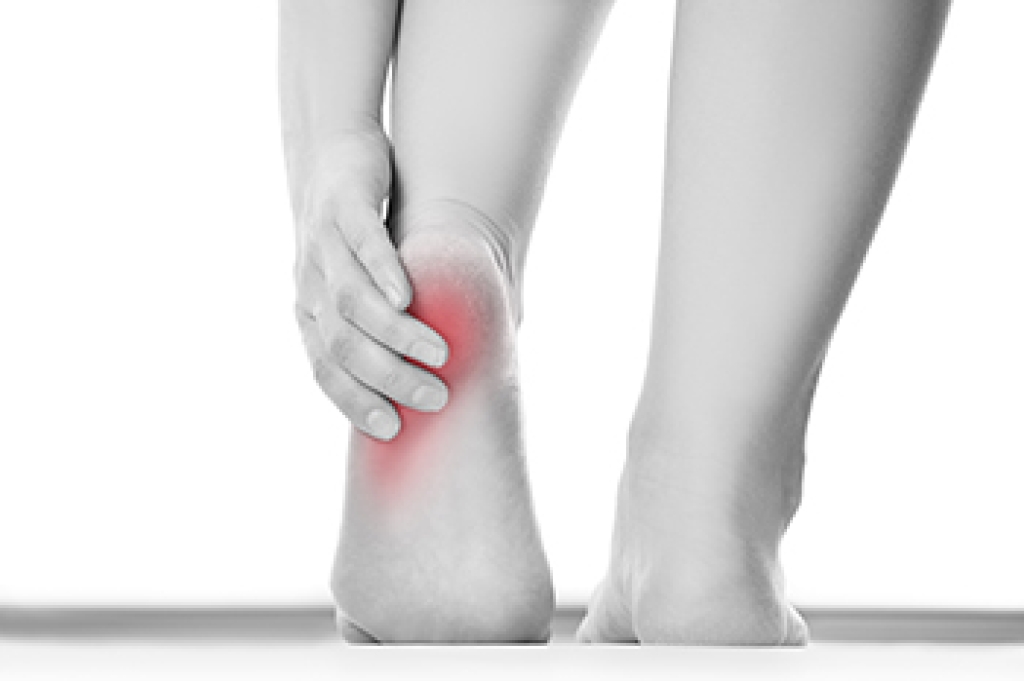
Sever's Disease and Heel Pain Relief

Sever’s disease is a common cause of heel pain in growing children, especially those who are active in sports. It is a growth-related condition that affects the heel bone, known as the calcaneus. During periods of rapid growth, bones can lengthen faster than the surrounding muscles and tendons, creating tension at the growth plate. Repetitive stress on this sensitive area can lead to inflammation and discomfort, particularly in children who regularly engage in running and jumping activities.

Symptoms of Sever’s disease typically include heel pain that worsens with physical activity and improves with rest. Children may report tenderness at the back or underside of the heel, along with stiffness and difficulty walking or running comfortably. In some cases, a child may limp or avoid placing full weight on the affected foot. The pain can occur in one or both heels and may vary in severity depending on activity level and intensity.

Several risk factors can increase the likelihood of developing this condition. Participation in high-impact sports such as soccer, basketball, or track places repeated strain on the heel. Rapid growth spurts can further contribute by increasing tension in the muscles and tendons attached to the heel bone. Wearing improper footwear that lacks sufficient support or cushioning can worsen symptoms. Additionally, foot structure, including flat feet or high arches, may lead to uneven pressure distribution and added stress on the growth plate.

Managing Sever’s disease focuses on reducing stress on the heel and promoting proper foot mechanics. Rest, supportive footwear, and stretching exercises can help relieve discomfort and support healing. Early attention is important to prevent prolonged symptoms and allow a safe return to activity. If your active child has heel pain, it is suggested that you consult a podiatrist who can offer effective relief and management tips.

Sever's disease often occurs in children and teens. If your child is experiencing foot or ankle pain, see Jon McCreary, DPM from Fort Worth Podiatry. Our doctor can treat your child’s foot and ankle needs.

Sever’s Disease

Sever’s disease is also known as calcaneal apophysitis, which is a medical condition that causes heel pain I none or both feet. The disease is known to affect children between the ages of 8 and 14.

Sever’s disease occurs when part of the child’s heel known as the growth plate (calcaneal epiphysis) is attached to the Achilles tendon. This area can suffer injury when the muscles and tendons of the growing foot do not keep pace with bone growth. Therefore, the constant pain which one experiences at the back of the heel will make the child unable to put any weight on the heel. The child is then forced to walk on their toes.

Symptoms

Acute pain – Pain associated with Sever’s disease is usually felt in the heel when the child engages in physical activity such as walking, jumping and or running.

Highly active – Children who are very active are among the most susceptible in experiencing Sever’s disease, because of the stress and tension placed on their feet.

If you have any questions, please feel free to contact our office located in Fort Worth, TX . We offer the newest diagnostic and treatment technologies for all your foot care needs.


Read more about Sever's Disease

Risks of Wearing Flip-Flops

Flip-flops may feel light and easy to wear, but they often provide very little support for the feet. Many styles are flat, thin, and flexible. This can place extra strain on the arches, heels, and toes. Because the foot has to work harder to keep the sandal in place, walking patterns may change over time. This can lead to foot pain or discomfort in other areas of the body. Wearing flip-flops often may increase the risk of plantar fasciitis, heel pain, or tendon strain. They also leave much of the foot exposed, making cuts or scrapes more likely during daily activities.


A podiatrist can evaluate foot pain related to flip-flop use and identify which structures are being affected. During an examination, the podiatrist may check foot alignment, joint movement, and areas of increased pressure. They can also determine whether a condition, such as plantar fasciitis or tendon irritation, is causing symptoms. Treatment depends on the diagnosis and may include custom orthotics, supportive footwear recommendations, or other medical care to reduce pain and improve foot function. A podiatrist can also explain how footwear choices may be contributing to stress on the feet and ankles.


Professional podiatry care can help address pain before it becomes a long-term problem. Early evaluation may reduce the risk of ongoing inflammation, balance issues, or changes in the way you walk. Footwear-related pain should not be ignored, especially when it affects daily movement or comfort. A podiatrist creates a treatment plan based on your symptoms, foot structure, and activity level. Professional treatment of foot pain can support healthier movement and help protect your long-term foot health. If flip-flops are causing foot pain, it is suggested that you consult a podiatrist for an evaluation.

Flip-flops are not always the best choice of footwear. If you have any concerns about your feet or ankles, contact Jon McCreary, DPM from Fort Worth Podiatry. Our doctor will assist you with all of your foot and ankle needs.

Flip-Flops and Feet

When the weather starts warming up, people enjoy wearing flip-flops.  Flip-flops are comfortable, stylish, and easy to slip on and off; they're perfect for any summer beach goer.  However, these shoes can cause harm to the feet.

How Can Flip-Flops Affect Me Long-Term?

  • Ankle problems
  • Hip problems
  • Lower back problems
  • Pain in the balls of the feet
  • Problems with foot arches
  • Changes in the way you walk

Are There Injuries Associated with Flip-Flops?

Yes.  Since flip-flops are relatively weak and do not provide the same amount of support as sneakers, people who wear flip-flops regularly are more susceptible to injuries. On top of that, the open nature of the shoe makes your feet more prone to other problems, such as cuts and even infections.  Common injuries and ailments include:

  • Sprained ankles
  • Blisters
  • Infections
  • Cuts and Scrapes

I like Wearing Flip-Flops. Are There Safe Alternatives?

When buying flip-flops, try to find ones that have sturdy soles and that are made of high-quality materials that will support for your feet.  These flip-flops will cost more but will also last longer as a result.

If you have any questions, please feel free to contact our office located in Fort Worth, TX . We offer the newest diagnostic and treatment technologies for all your foot care needs.
Read more about Flip Flops and Feet

Keep Your Feet Healthy So You Can Stay Active

Have your feet inspected by a professional before starting a new sport or physical activity. Taking charge of your foot health will keep you in good physical condition and can help you avoid a potential injury, such as a fracture or sprained ankle.

Prevent injuries and see a foot specialist.

The Hidden Risks of Blisters

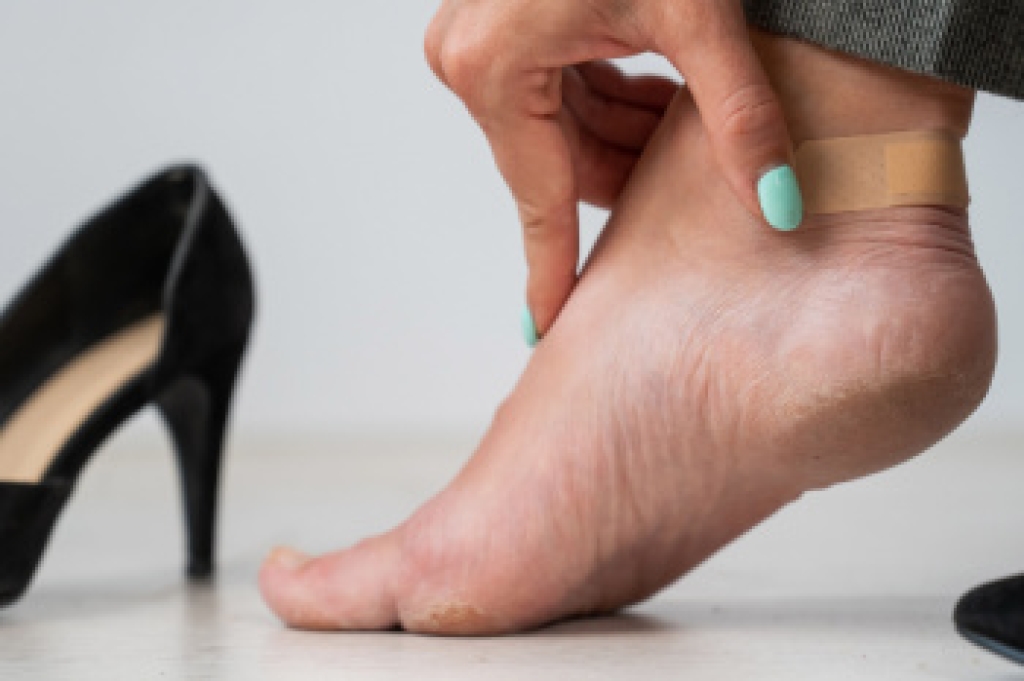
Blisters are pockets of fluid that form beneath the outer layer of skin. They develop when repeated rubbing or pressure damages the skin and causes fluid to collect in the affected area. On the feet, blisters frequently occur on the heels, toes or balls of the feet. Activities that involve extended periods of walking, running or standing can increase the risk. Shoes that are too tight can also contribute to blister formation. Footwear that lacks proper support may create extra movement inside the shoe, leading to friction and irritation. Blisters can cause discomfort, tenderness and pain that interferes with daily activities.

Although many blisters begin as a minor problem, they can become more serious when the skin breaks open. An open blister creates an entry point for bacteria, which can lead to infection. Signs of infection include redness, swelling and drainage. Additional symptoms may include warmth around the area or increasing pain. People with diabetes or circulation problems should take blisters seriously because even small skin injuries can develop into larger foot complications. Prompt evaluation by a podiatrist can help identify concerns before they worsen and can reduce the risk of long-term problems.

A podiatrist can determine the cause of recurring blisters and recommend treatment based on the condition of the skin and foot structure. Treatment may involve protective dressings, pressure-relieving devices or recommendations for properly fitted shoes. A podiatrist can also evaluate the way a patient walks to identify abnormal pressure points that contribute to repeated friction. Addressing these underlying factors helps reduce discomfort and lowers the chance of future blisters. Professional care is especially important when blisters are painful, recurrent or show signs of infection. Early treatment can help preserve skin health and keep patients active and comfortable. If you frequently develop blisters which have become infected, it is suggested that you schedule an appointment with a podiatrist for effective treatment solutions and prevention tips. 

Blisters may appear as a single bubble or in a cluster. They can cause a lot of pain and may be filled with pus, blood, or watery serum. If your feet are hurting, contact Jon McCreary, DPM of Fort Worth Podiatry. Our doctor can provide the care you need to keep you pain-free and on your feet.

Foot Blisters

Foot blisters are often the result of friction. This happens due to the constant rubbing from shoes, which can lead to pain.

What Are Foot Blisters?

A foot blister is a small fluid-filled pocket that forms on the upper-most layer of the skin. Blisters are filled with clear fluid and can lead to blood drainage or pus if the area becomes infected.

Symptoms

(Blister symptoms may vary depending on what is causing them)

  • Bubble of skin filled with fluid
  • Redness
  • Moderate to severe pain
  • Itching

Prevention & Treatment

In order to prevent blisters, you should be sure to wear comfortable shoes with socks that cushion your feet and absorb sweat. Breaking a blister open may increase your chances of developing an infection. However, if your blister breaks, you should wash the area with soap and water immediately and then apply a bandage to the affected area. If your blisters cause severe pain it is important that you call your podiatrist right away.

If you have any questions, please feel free to contact our office located in Fort Worth, TX . We offer the newest diagnostic and treatment technologies for all your foot care needs.

Read more about Blisters

Hammertoe Surgery as a Treatment Solution

Hammertoe is a common foot deformity that usually affects the second, third, or fourth toe. It occurs when the middle joint of a toe becomes bent downward, creating a hammer-like appearance. Over time, the affected toe may become rigid and difficult to move. In podiatry, hammertoe is considered a progressive condition, meaning it can worsen if not properly managed.

The primary cause of hammertoe is muscle imbalance in the foot. When the muscles, tendons, and ligaments that control toe movement become uneven, the toe may be pulled into an abnormal position. Wearing tight or narrow shoes is a major contributing factor, as it forces the toes into a cramped space. High-heeled shoes can also increase pressure on the front of the foot, making the condition more likely. Other causes include trauma, arthritis, and genetic foot structure that predisposes a person to toe deformities. Symptoms of hammertoe often begin with mild discomfort. Patients may notice a bent toe that does not straighten easily. Corns or calluses can form on the top of the toe or on the ball of the foot, due to friction and pressure from footwear. As the condition progresses, pain may increase, especially when walking or wearing shoes. In advanced cases, the toe may become stiff and fixed in position, making daily activities more difficult.


Treatment for hammertoe depends on the severity of the condition. Early stages may be managed with shoe modifications, orthotic devices, and padding to reduce pressure on the affected toe. Stretching exercises may help improve flexibility. However, when the deformity becomes rigid or painful, surgical correction may be recommended. Hammertoe surgery involves releasing tight tendons, realigning the toe, and in some cases, removing a small section of bone to restore proper alignment. The goal is to improve function and reduce pain. Recovery time after hammertoe surgery varies, depending on the procedure performed. Most patients can expect swelling and limited activity for several weeks. Full recovery may take several months, with a gradual return to normal footwear and activity levels. If you need hammertoe surgery, it is strongly suggested that you consult a podiatrist who can discuss the benefits of this type of surgery with you.

Foot surgery is sometimes necessary to treat a foot ailment. To learn more, contact Jon McCreary, DPM of Fort Worth Podiatry. Our doctor will assist you with all of your foot and ankle needs.

When Is Surgery Necessary?

Foot and ankle surgery is generally reserved for cases in which less invasive, conservative procedures have failed to alleviate the problem. Some of the cases in which surgery may be necessary include:

  • Removing foot deformities like bunions and bone spurs
  • Severe arthritis that has caused bone issues
  • Cosmetic reconstruction

What Types of Surgery Are There?

The type of surgery you receive will depend on the nature of the problem you have. Some of the possible surgeries include:

  • Bunionectomy for painful bunions
  • Surgical fusion for realignment of bones
  • Neuropathy decompression surgery to treat nerve damage

Benefits of Surgery

Although surgery is usually a last resort, it can provide more complete pain relief compared to non-surgical methods and may allow you to finally resume full activity.

Surgical techniques have also become increasingly sophisticated. Techniques like endoscopic surgery allow for smaller incisions and faster recovery times.

If you have any questions, please feel free to contact our office located in Fort Worth, TX . We offer the newest diagnostic and treatment technologies for all your foot care needs.

Read more about Foot Surgery

Connect With Us

scroll-to-top