
Workday Ladder Falls

Falling from a ladder during the workday can cause foot injuries, especially when the feet absorb the force of a landing. Injuries include sprains, fractures, and tendon damage. Pain may begin immediately or develop later as swelling increases. Difficulty standing, walking, or putting weight on the foot can signal an injury. Risk factors include rushing, working on uneven surfaces, and using a ladder that is too short. Older adults and people with balance concerns may face greater risk.

Before climbing, decide whether a ladder is needed. If another method is available, use it instead. When a ladder is necessary, choose one that reaches the needed height without requiring you to stand on the top steps. Make sure the ladder is designed for your weight. Place it on a firm, level surface. Never use a damaged ladder or one with loose parts. Inspect the steps, feet, and locks before every use.

The right shoes can help prevent ladder falls. Wear shoes with soles that provide good traction. Keep both hands available when climbing, and face the ladder. Do not overreach or carry objects that can affect your balance. If you fall, stop and assess your feet before walking. Significant pain, swelling, or difficulty bearing weight requires medical attention.

A podiatrist can evaluate a foot injury after a ladder fall and check for fractures or joint damage. X-rays or other imaging may be recommended when needed. Treatment may include rest, elevation, or other protection while the foot heals. A podiatrist can guide your return to activity based on your injury. If you have foot injuries from falling off a ladder at work, it is suggested that you consult a podiatrist for effective relief and treatment solutions.

Preventing falls among the elderly is very important. If you are older and have fallen or fear that you are prone to falling, consult with Jon McCreary, DPM from Fort Worth Podiatry. Our doctor will assess your condition and provide you with quality advice and care.

Every 11 seconds, an elderly American is being treated in an emergency room for a fall related injury. Falls are the leading cause of head and hip injuries for those 65 and older. Due to decreases in strength, balance, senses, and lack of awareness, elderly persons are very susceptible to falling. Thankfully, there are a number of things older persons can do to prevent falls.

How to Prevent Falls

Some effective methods that older persons can do to prevent falls include:

  • Enrolling in strength and balance exercise program to increase balance and strength
  • Periodically having your sight and hearing checked
  • Discuss any medications you have with a doctor to see if it increases the risk of falling
  • Clearing the house of falling hazards and installing devices like grab bars and railings
  • Utilizing a walker or cane
  • Wearing shoes that provide good support and cushioning
  • Talking to family members about falling and increasing awareness

Falling can be a traumatic and embarrassing experience for elderly persons; this can make them less willing to leave the house, and less willing to talk to someone about their fears of falling. Doing such things, however, will increase the likelihood of tripping or losing one’s balance. Knowing the causes of falling and how to prevent them is the best way to mitigate the risk of serious injury.  

If you have any questions, please feel free to contact our office located in Fort Worth, TX . We offer the newest diagnostic and treatment technologies for all your foot care needs.

Read more about Falls Prevention

Toenail Fungus Explained

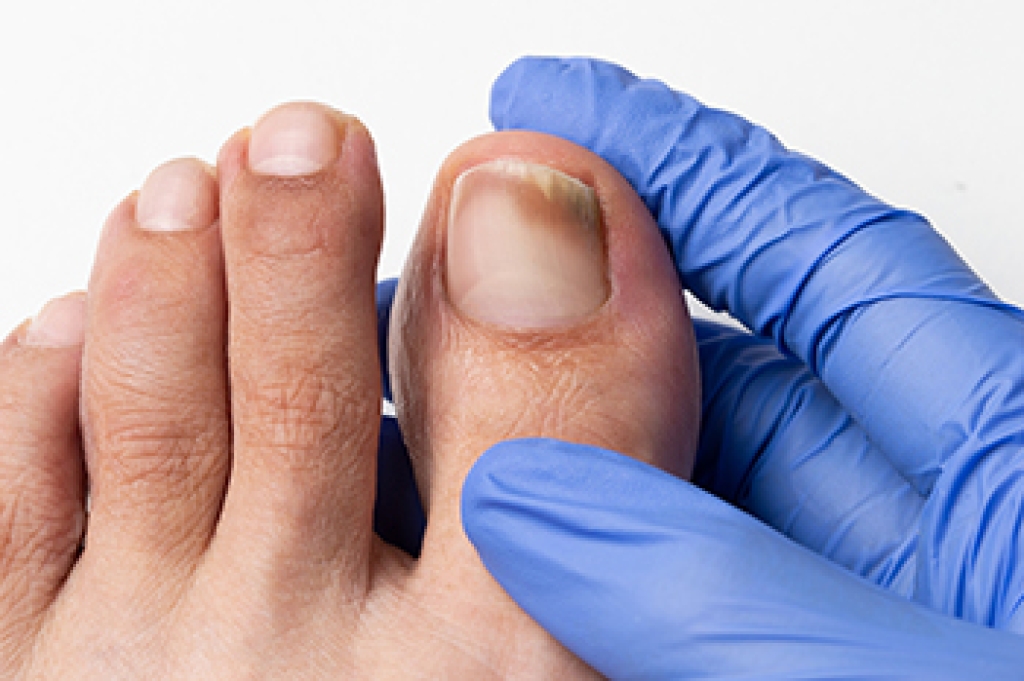
Toenail fungus, medically called onychomycosis, is a common infection affecting the nail. It develops when fungi enter through small cracks in the nail or nearby skin. An infected toenail may become thick, discolored, or difficult to trim. You may notice yellow, white, or brown changes in the nail. The nail can also develop an unusual shape or odor. Although toenail fungus is usually not dangerous, it can spread to other nails and skin without timely treatment.

Several factors can increase the risk of developing toenail fungus. Warm, damp environments allow fungi to grow easily. Sweaty feet, shared locker rooms, and tight shoes can increase exposure. Previous nail injuries may also make infection more likely. Older adults have a higher risk because nails can become thicker and grow more slowly. People with reduced circulation or certain health conditions may also face greater risk. Walking barefoot in public wet areas can increase exposure.


A podiatrist can determine whether nail changes are caused by fungus or another condition. The evaluation includes examining the nail. A small nail sample may be tested to confirm onychomycosis before treatment begins. Depending on the infection, treatment may include prescription antifungal medication, or removal of nail material. The podiatrist may also recommend keeping feet dry, changing socks, and disinfecting footwear. Follow-up visits can help monitor nail growth and confirm improvement.


Toenail fungus can take time to resolve because healthy nails must grow out. Completing the recommended treatment is important, even when the nail begins looking better. Avoid picking at damaged nails, and do not share nail clippers or footwear with others. Early care may help prevent infection from spreading. If you have toenail fungus, it is suggested that you consult a podiatrist for effective treatment solutions.

For more information about treatment, contact Jon McCreary, DPM of Fort Worth Podiatry. Our doctor can provide the care you need to keep you pain-free and on your feet.

Toenail Fungus Treatment

Toenail fungus is a condition that affects many people and can be especially hard to get rid of. Fortunately, there are several methods to go about treating and avoiding it.

Antifungals & Deterrence

Oral antifungal medicine has been shown to be effective in many cases. It is important to consult with a podiatrist to determine the proper regiment for you, or potentially explore other options.

Applying foot powder on the feet and shoes helps keep the feet free of moisture and sweat.

Sandals or open toed shoes – Wearing these will allow air movement and help keep feet dry. They also expose your feet to light, which fungus cannot tolerate. Socks with moisture wicking material also help as well.

If you have any questions please contact our office located in Fort Worth, TX . We offer the newest diagnostic and treatment technologies for all your foot and ankle needs.

Read more about Treating Toenail Fungus

Choosing Shoes for Healthy Running

Running shoes do more than provide comfort during a workout. They are designed to handle the repeated impact that occurs when running on hard surfaces such as pavement. Road running shoes often include cushioning in the heel and forefoot to absorb shock and reduce stress on the feet and joints. Support is another important feature, because runners have different foot types and movement patterns. Some shoes are designed to provide added stability when the foot rolls inward during running, a movement known as pronation. Choosing appropriate running footwear can support comfortable movement and help reduce the risk of overuse injuries.


A good running shoe should balance cushioning, support, and flexibility. Breathable materials can help keep the feet comfortable, while durable outsoles provide traction on paved surfaces. Fit is also important for foot health. The toe box should provide enough space for the toes to move without allowing the entire foot to slide inside the shoe. The heel should remain secure without uncomfortable slipping. Runners should also consider their foot shape and pronation when selecting footwear. Since different runners have different needs, the amount of cushioning or support that feels comfortable can vary from person to person.


A podiatrist can evaluate a runner’s foot structure and movement to help identify factors that may influence footwear needs. This can be especially helpful for those who experience recurring foot pain or have difficulty finding comfortable running shoes. A podiatrist can assess foot type and pronation while examining whether pain may be related to running mechanics. Podiatric evaluation can also help determine whether a running-related foot problem requires treatment rather than simply a change in footwear. Selecting shoes that match the runner’s individual needs can support comfort and healthy movement during training. If running regularly causes foot or ankle pain or makes choosing appropriate footwear difficult, it is suggested that you consult a podiatrist for an evaluation and personalized recommendations.

You should always make sure your running shoes fit properly in order to avoid injury. For more information, contact Jon McCreary, DPM from Fort Worth Podiatry. Our doctor can provide the care you need to keep you pain-free and on your feet.

Choosing the Right Running Shoe for Your Foot Type

Improper shoe sizing can cause a myriad of problems for your feet. Shoes that don’t fit you properly can lead to muscular imbalances in your body, which can result in foot, knee, and hip injuries.

Tips for Finding the Right Running Shoe

  • Make sure you have a thumb’s width of wiggle room between the end of your longest toe and the front of the shoe.
  • There should be little to no slipping at the heel
  • Don’t assume your size in one shoe brand will be your size in another
  • Do not lace up your shoes too tightly
  • Walk around in the store with your new shoes before you buy them

If you have any questions, please feel free to contact our office located in Fort Worth, TX . We offer the newest diagnostic and treatment technologies for all your foot care needs.
Read more about Choosing the Right Running Shoe

Common Causes of Heel Pain

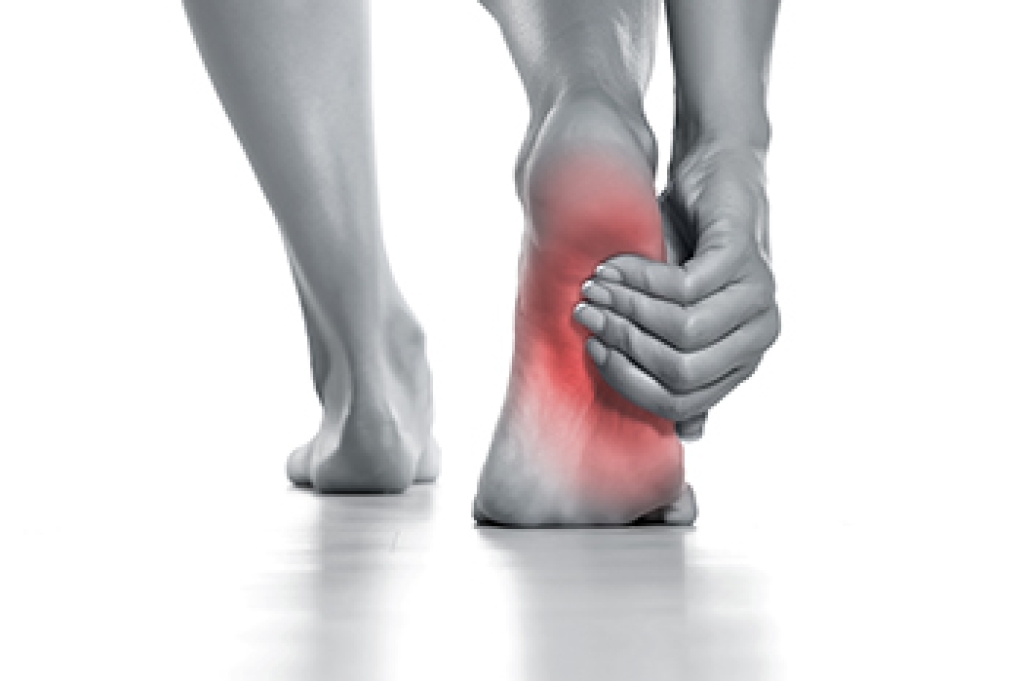
Heel pain can make simple activities such as walking or standing uncomfortable. Several conditions can cause pain beneath or around the heel. Plantar fasciitis occurs when the plantar fascia becomes irritated, and this strong band of tissue supports the foot arch. A heel spur is a bony growth that can develop near the heel bone. Calcaneal apophysitis, also called Sever’s disease, affects growing children when the heel growth plate becomes irritated. Each condition has different causes.

Plantar fasciitis often causes sharp pain beneath the heel, especially with the first steps after waking. Long periods of standing can increase discomfort. Risk factors include increased activity, tight calf muscles, and wearing unsupportive footwear. A heel spur may cause localized tenderness or aching, although some heel spurs cause no symptoms. Repetitive stress can contribute to spur development. Calcaneal apophysitis commonly causes heel pain in active children, as running and jumping can make symptoms worse. Growth spurts can increase irritation around the heel.


A podiatrist can determine which condition is causing heel pain. The examination may include checking the heel, arch, and walking pattern. Imaging may be recommended when a heel spur, fracture, or other problem needs evaluation. Treatment depends on the diagnosis, and may include wearing supportive shoes, custom orthotics, or medication guidance. Children with calcaneal apophysitis may need temporary limits on activities that increase heel pain. Follow-up visits can help monitor improvement and adjust treatment.


Heel pain should not automatically be blamed on plantar fasciitis. Accurate diagnosis matters because treatment varies between conditions. Wearing supportive footwear and avoiding sudden increases in activity may help reduce strain. Children should have properly-fitted shoes during sports and everyday activities. Persistent pain, swelling, or difficulty walking deserves attention. Early treatment can improve comfort and help prevent symptoms from interfering with daily life. If you have heel pain, it is suggested that you consult a podiatrist for an accurate diagnosis and appropriate treatment.

Many people suffer from bouts of heel pain. For more information, contact Jon McCreary, DPM of Fort Worth Podiatry. Our doctor can provide the care you need to keep you pain-free and on your feet.

Causes of Heel Pain

Heel pain is often associated with plantar fasciitis. The plantar fascia is a band of tissues that extends along the bottom of the foot. A rip or tear in this ligament can cause inflammation of the tissue.

Achilles tendonitis is another cause of heel pain. Inflammation of the Achilles tendon will cause pain from fractures and muscle tearing. Lack of flexibility is also another symptom.

Heel spurs are another cause of pain. When the tissues of the plantar fascia undergo a great deal of stress, it can lead to ligament separation from the heel bone, causing heel spurs.

Why Might Heel Pain Occur?

  • Wearing ill-fitting shoes                
  • Wearing non-supportive shoes
  • Weight change           
  • Excessive running

Treatments

Heel pain should be treated as soon as possible for immediate results. Keeping your feet in a stress-free environment will help. If you suffer from Achilles tendonitis or plantar fasciitis, applying ice will reduce the swelling. Stretching before an exercise like running will help the muscles. Using all these tips will help make heel pain a condition of the past.

If you have any questions, please feel free to contact our office located in Fort Worth, TX . We offer the newest diagnostic and treatment technologies for all your foot care needs.

Read more about Heel Pain

Connect With Us

scroll-to-top